

A men's wellness guide
A Guide to Vitamins and Minerals for Men
How natural vitamins and minerals fit into a man's daily routine, what the labels on men's vitamin supplements actually mean, and what foundational nutrition has to do with energy and endurance.
Introduction
Understanding what you're consuming and why
This guide explains how natural vitamins and minerals fit into a man's daily routine. We cover the foundational nutrients commonly included in men's wellness products, what they do, and how to think about them practically. The goal is clear, educational information that helps you understand what you are consuming and why, without making medical claims or promising specific results.
Think of this as a field guide for reading supplement shelves with more context. When you know what each ingredient is, what form it takes, and why it's typically included, you can evaluate men's health support products on their actual contents rather than their marketing copy.
Chapter one
Foundational Vitamins for Daily Wellness
Daily wellness starts with understanding basic vitamins. Vitamin C and vitamin D are frequently included in men's health supplements for their general role in supporting bodily functions. B-complex vitamins, including B12 and B6, are associated with energy metabolism — the process by which your body converts food into usable energy.
We describe what these vitamins are, what forms they take in supplements, and what the labels actually mean. This is foundational knowledge for evaluating any multivitamin you encounter.
Vitamin C
Often listed as ascorbic acid on labels. A water-soluble vitamin included in most men's formulas for its general role in supporting everyday bodily functions. Common dietary sources include citrus, bell peppers, and leafy greens.
Vitamin D
A fat-soluble vitamin often included as D3 (cholecalciferol). Produced naturally in the skin during sun exposure and present in limited foods. Frequently supplemented because indoor lifestyles and urban environments reduce natural exposure.
B-Complex
A family of vitamins including B12 (cobalamin) and B6 (pyridoxine), associated with energy metabolism. B12 is commonly listed as methylcobalamin or cyanocobalamin. Often taken in the morning because of its association with daytime energy.
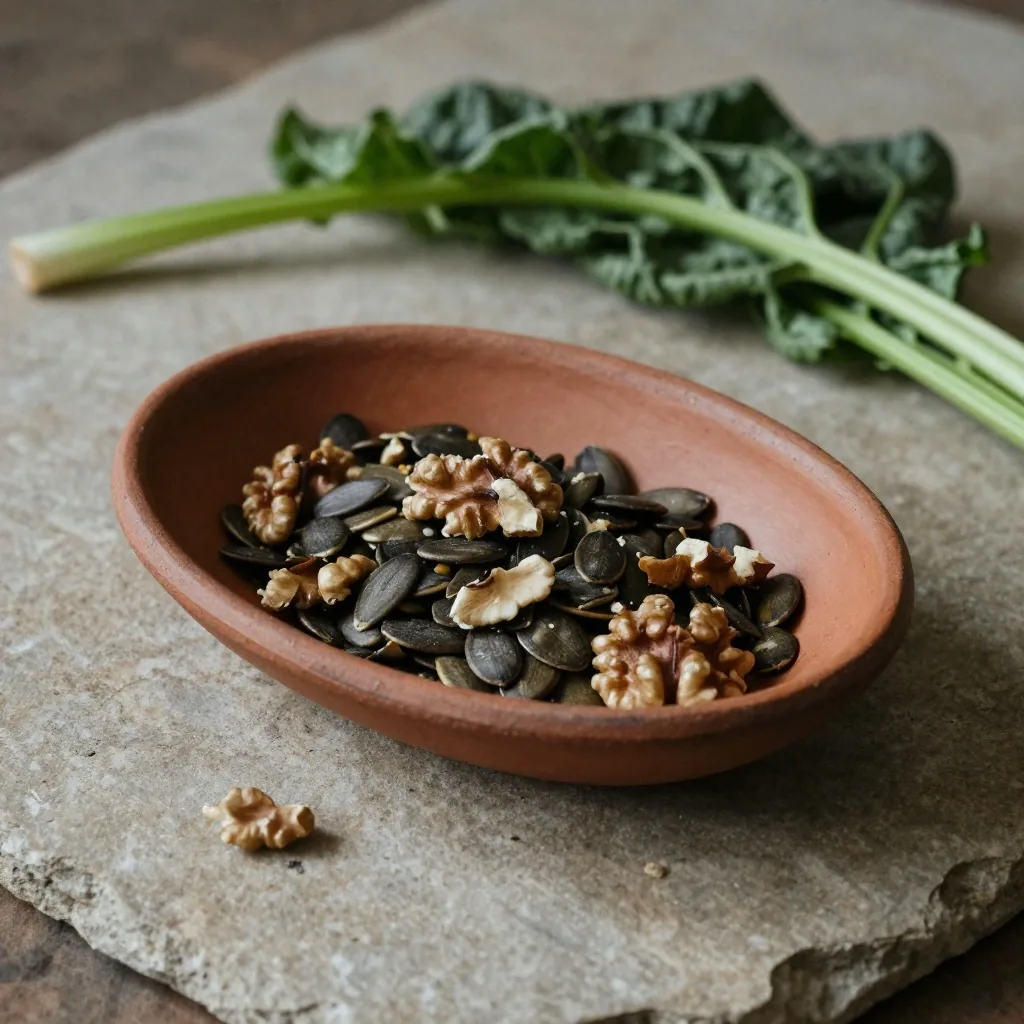
Whole-food mineral sources
Chapter two
Key Minerals in Men's Supplements
Minerals play a structural role in wellness products. Zinc is commonly included in men's formulas for its role in normal metabolic function. Magnesium appears in many supplements aimed at physical activity and muscle function. Selenium and copper are often present in trace amounts.
We break down these minerals, explaining their typical dietary sources and why they are added to supplement blends, giving you context beyond the label.
Zinc
Commonly listed as zinc gluconate or zinc citrate. Found naturally in pumpkin seeds, beef, and legumes. Included in men's formulas for its role in normal metabolic function.
Magnesium
Often present as magnesium oxide or magnesium glycinate. Found in leafy greens, nuts, and whole grains. Appears in supplements aimed at physical activity and muscle function.
Selenium & Copper
Present in trace amounts in many formulations. Selenium comes from Brazil nuts and seafood; copper from organ meats and seeds. Both are included at small quantities that match their role as trace minerals.
Chapter three
Energy and Endurance Supplements in Context
Energy and endurance supplements are marketed toward active men, but understanding what is inside them matters more than the marketing. These products often combine B-vitamins with herbal extracts like ginseng or amino acids like L-carnitine. We explain how these ingredients are typically presented and what practical role they play in a daily routine.
The combination matters. A product might list a full B-complex alongside an herbal extract and a conditional amino acid — each component plays a different role, and reading the panel tells you which is present and at what dose. This context helps you separate product claims from the actual ingredient information.
If you want a closer look at how these products are structured and what to watch for, the energy and endurance page walks through the category in more detail.
Chapter four
Natural Capsules for Strength and Vitality
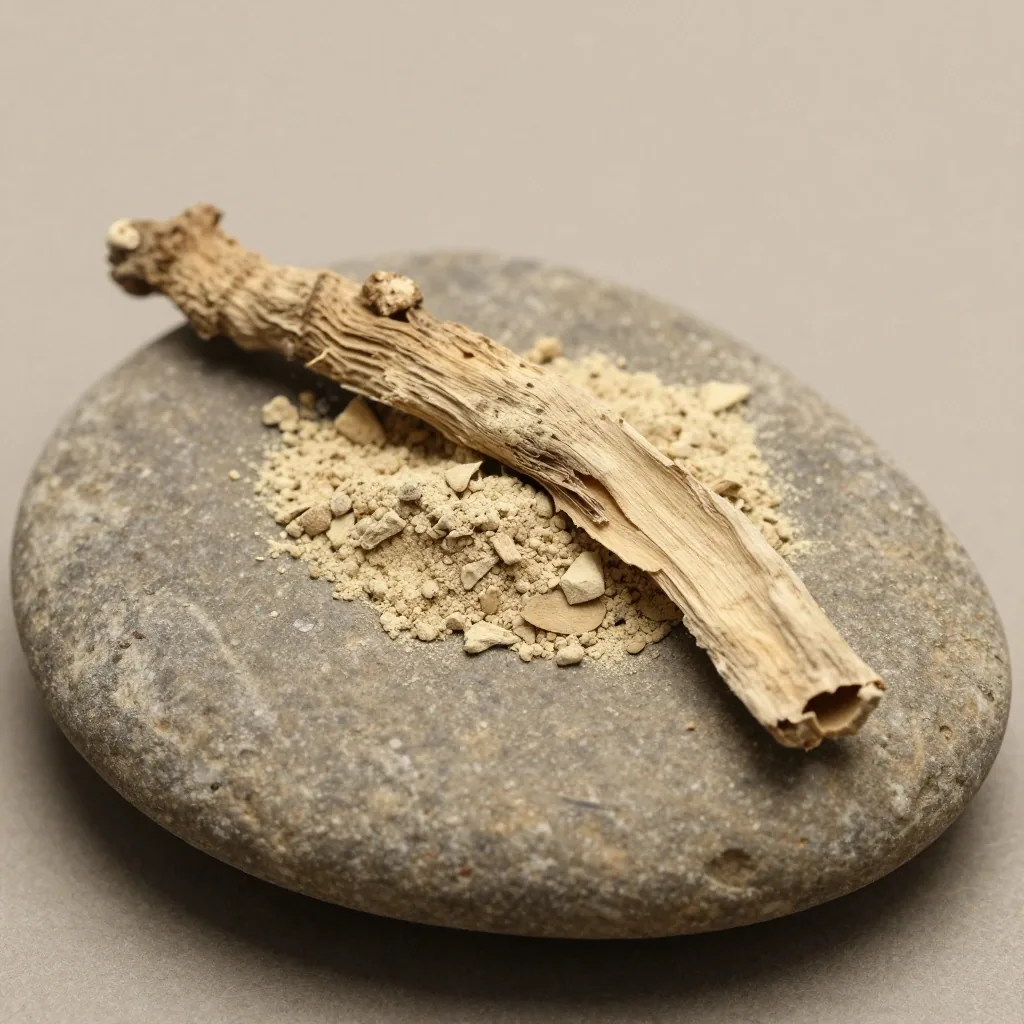
Many supplements aimed at strength and vitality come in capsule form, containing plant extracts rather than isolated vitamins. Ingredients like maca root, ashwagandha, and fenugreek are common in these formats. We provide information on what these botanicals are, how they are processed into supplements, and what their intended use is according to manufacturers.
This is product information, not a recommendation to use them.
Maca Root
A root grown in the Andes, typically dried and milled into powder before being encapsulated. Often processed into a gelatinized form that removes starch. Common in vitality-oriented men's formulas.
Ashwagandha
A root used in Ayurvedic tradition, typically standardized to a percentage of withanolides. Extracts are more concentrated than raw powder. Found in adaptogen-focused men's products.
Fenugreek
A seed used both as a culinary spice and in supplement form. Standardized extracts are typically used in capsules. Appears in men's vitality blends alongside other botanical extracts.
Chapter five
Building a Supplement Routine
If you choose to use supplements, building a routine involves timing and consistency. Some vitamins are fat-soluble and are better taken with meals. Others, like certain B-vitamins, are often taken in the morning. We offer practical guidance on how to structure supplement intake around a regular day, considering factors like meals, hydration, and sleep.
Morning intake
B-complex vitamins are commonly taken with breakfast because of their association with daytime energy metabolism. Water-soluble vitamins can be taken on an empty stomach, though food reduces the chance of stomach discomfort.
With meals
Vitamins A, D, E, and K are fat-soluble. Taking them with a meal that contains some fa improves absorption. This is why many multivitamins are labeled "take with food."
Evening intake
Magnesium is sometimes taken in the evening. Staying consistent with timing matters more than achieving a perfect schedule — building a sustainable habit is the goal, not following a rigid protocol.
Hydration and sleep also factor in. Taking most supplements with water is standard, and a consistent sleep schedule supports the wellness goals that supplements are meant to complement.
Chapter six
Healthy Lifestyle Products as Complements
Vitamins and minerals are one category of healthy lifestyle products. Protein powders, electrolyte mixes, and whole-food snacks also play a role in daily nutrition. We place men's vitamin supplements within this broader category, explaining how they complement other products and daily food intake.
A supplement fills gaps; it doesn't replace meals. Whole foods provide fiber, phytonutrients, and a range of compounds that don't fit into a capsule. Popular products for men work best when they sit alongside a varied diet, regular movement, and adequate sleep — not as a substitute for any of those foundations.
For more on how these pieces fit together, our healthy lifestyle tips page covers the broader picture.

Chapter seven
Reading and Comparing Product Labels
Comparing men's health supplements requires reading labels carefully. We explain how to identify active ingredients, check dosages against daily values, and spot proprietary blends that do not disclose exact amounts. This practical skill is essential for anyone looking at popular products for men, as it allows you to evaluate products based on their actual contents rather than their marketing copy.
What to look for
- — The Supplement Facts panel, usually on the back, lists active ingredients and their amounts per serving.
- — Percentages of daily value (DV) tell you how much each serving contributes relative to a reference intake.
- — The form of each ingredient (e.g. magnesium glycinate vs. oxide) tells you how it was sourced and sometimes how well it's absorbed.
- — Serving size and servings per container let you calculate how long a bottle lasts at the labeled dose.
What to watch out for
- — "Proprietary blend" on the label means several ingredients are grouped under one total weight, without individual amounts disclosed.
- — Front-of-pack terms like "advanced" or "ultra" are marketing language, not ingredient information.
- — Added fillers and binders appear in the "other ingredients" list — worth reading if you avoid specific compounds.
- — Serving sizes can differ between brands, so direct per-capsule comparisons require checking the math.
For a wider view of what's on shelves, our popular products page puts commonly encountered men's formulas side by side.
Chapter eight
When to Seek Professional Advice
This guide provides educational information, not medical direction. If you experience persistent fatigue, have concerns about nutrient deficiencies, or are considering high-dose supplements, speaking with a qualified professional is the right step.
We clearly define the boundary between general wellness information and personal medical advice, encouraging readers to seek appropriate guidance when needed. A supplement guide can tell you what an ingredient is and how it's typically labeled; it cannot tell you whether a specific product is right for your individual situation.
If you have questions about something you've read here or want to talk through a product before making a decision, you're welcome to reach out.
Pria Sehat
Questions about a supplement label?
If you're working through a product panel and want to talk through what the ingredients mean, we're available during regular office hours. Reach us by phone, email, or visit our Jakarta office.
Jl. Jend. Sudirman No. 52, Senayan, Kebayoran Baru, Jakarta Selatan, 12190
Monday to Friday, 09:00 — 18:00 WIB
Pria Sehat provides educational content about natural supplements for men. This guide does not offer medical advice or guarantee specific results. Products mentioned are intended as dietary supplements, not as replacements for a varied diet or professional guidance.